How Spending Analysis Aids Decision Making
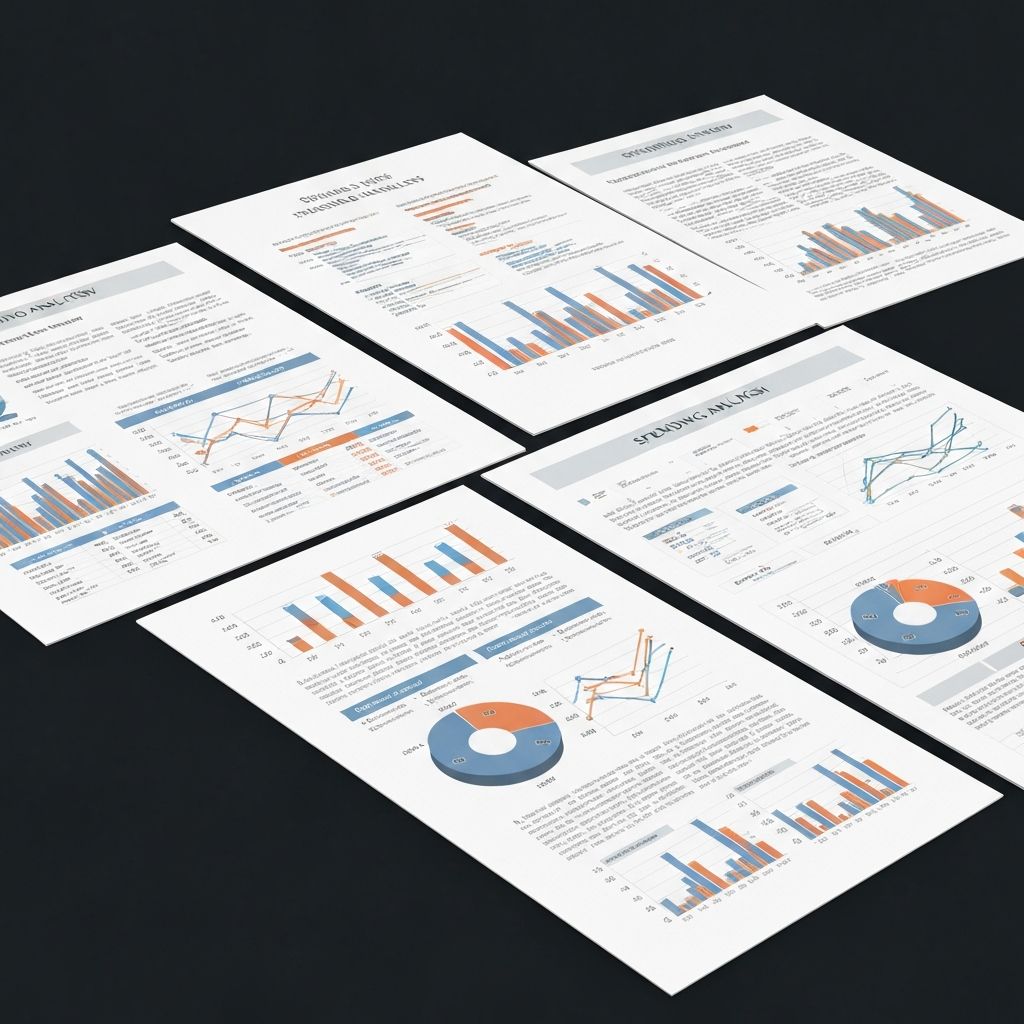
Informational Purpose: This article explains common approaches to spending analysis. It is educational content, not financial guidance.
Regular analysis of spending patterns provides information that many people use to inform their financial decisions and understand their household finances better.
What Spending Analysis Involves
Spending analysis refers to the practice of reviewing expense information to identify patterns, understand where money goes, and see how spending aligns with income and priorities. This can range from simple monthly reviews to more detailed examination of spending trends over time.
The level of detail in spending analysis varies widely. Some people conduct thorough reviews with multiple categories and comparisons, while others take a broader overview approach focusing on major expense areas.
Identifying Patterns
One primary purpose of spending analysis is recognizing patterns in how money is used. People might notice that certain expenses vary by season, that particular categories consistently exceed expectations, or that spending spikes at specific times of month.
Understanding these patterns provides context for financial decisions. Someone who recognizes their grocery spending increases during holidays, for example, has information they can use in future planning.
Comparing Expectations and Reality
Spending analysis often involves comparing actual expenses with what was anticipated. This comparison helps people see where their expectations align with reality and where gaps exist.
These gaps aren't necessarily problems—they're simply information. Sometimes actual spending reflects appropriate responses to circumstances that weren't fully predictable when planning the budget.
Understanding Trade-Offs
Analyzing spending can illuminate trade-offs in how money is allocated. People might observe that increased spending in one area means less available for other purposes, or that certain choices have downstream effects on other expenses.
This understanding doesn't dictate what choices to make, but it provides information about relationships between different spending decisions.
Time Perspectives
Spending analysis can look at different time periods. Monthly analysis shows short-term patterns, while reviewing several months or a full year reveals longer-term trends and seasonal variations.
Different time perspectives provide different types of information, and many people use multiple timeframes to understand their spending more completely.
Category Deep Dives
Sometimes spending analysis focuses on specific categories rather than overall expenses. Someone might examine their food spending in detail, looking at groceries versus dining out, or review entertainment expenses to understand how that money is being used.
These category-specific analyses can reveal details that aren't visible in broader reviews and might provide insights for future decisions.
Connecting Analysis to Decisions
The information from spending analysis feeds into financial decision-making in various ways. People might adjust future spending based on what they've learned, shift allocations between categories, or simply maintain awareness of patterns as they make daily choices.
The connection between analysis and decisions is individual. What one person considers actionable information might be simply interesting to someone else, depending on their priorities and circumstances.
Tools and Methods
People analyze spending using various tools and methods. Some use spreadsheet calculations, others rely on banking app features, and some review printed statements with pen and paper. The specific tool matters less than the consistent practice of reviewing and understanding expense information.
The best method for spending analysis is typically the one that a person will actually use regularly and that provides the information they find most useful for their situation.