What Rational Spending Means
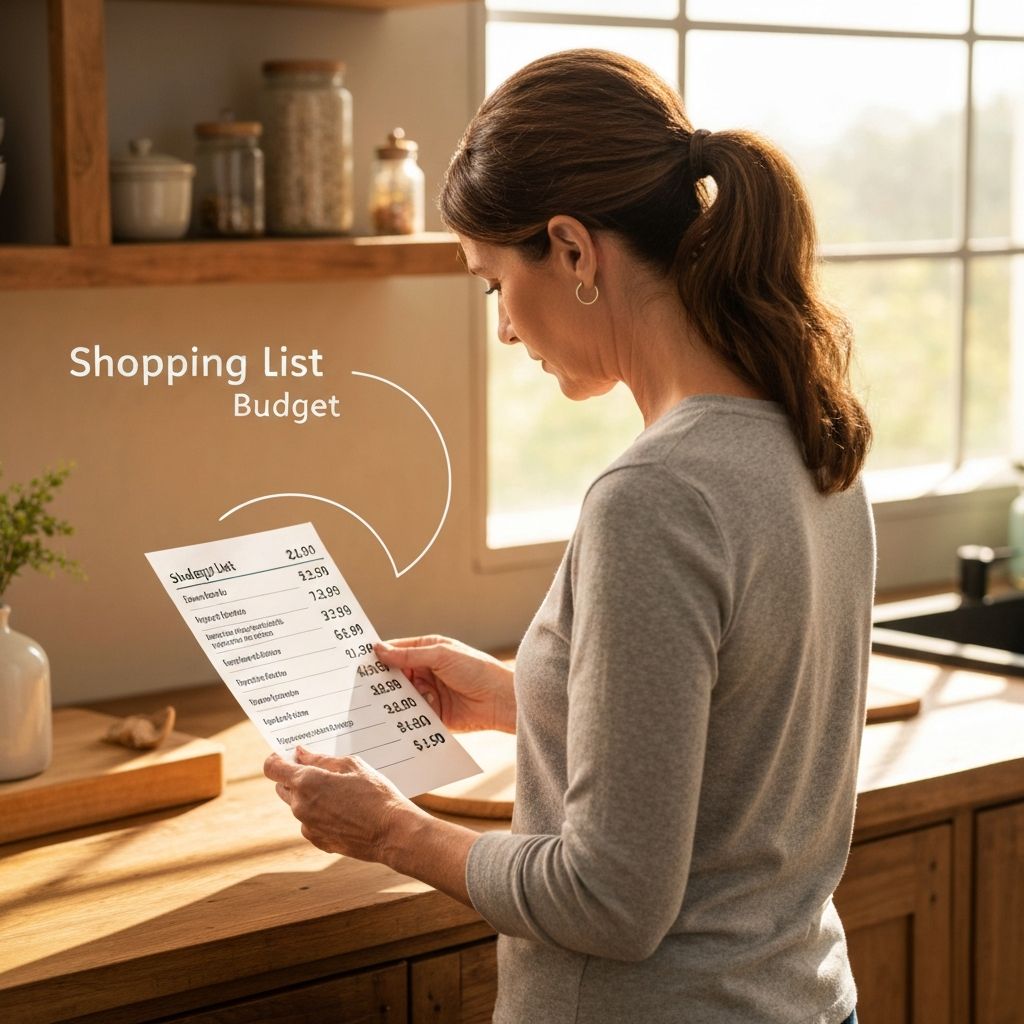
Educational Purpose: This article provides general information about common spending approaches. It is not financial advice or a recommendation for specific actions.
Rational spending refers to how individuals approach their personal expenses with awareness and thoughtful consideration rather than impulsive reactions.
Understanding Spending Awareness
When people talk about rational spending, they often describe a process of being conscious about where money goes. This involves recognizing spending patterns and understanding what purchases represent in the context of personal finances.
Many individuals develop awareness of their spending gradually over time. This awareness can come from tracking expenses, reviewing bank statements, or simply paying attention to daily purchasing decisions.
Common Characteristics
People who engage in more rational spending often share certain observable habits. They might pause before making purchases, consider whether an expense aligns with their priorities, or compare options before committing to a purchase.
These habits don't necessarily mean restricting all spending or following rigid rules. Rather, they reflect a general approach of being mindful about financial decisions in everyday life.
Different Approaches
Rational spending looks different for different people. Some maintain detailed records of every expense, while others take a broader view of monthly spending patterns. Some people focus on major purchases, while others pay attention to small daily expenses that accumulate over time.
There is no single correct method. What works for one household may not suit another, depending on income levels, family size, lifestyle preferences, and personal priorities.
Developing Spending Awareness
Many people report that spending awareness develops through practice. Initially, it might feel unnatural to track expenses or think carefully about purchases. Over time, however, these practices can become more automatic.
Some individuals start by simply observing their spending without making changes. This observation period helps establish a baseline understanding of current habits before considering any adjustments.
Relationship to Budgeting
Rational spending often connects with budgeting practices. People who track expenses may use that information to create spending categories or set general guidelines for different areas of household finances.
However, rational spending doesn't always require formal budgeting. Some people maintain awareness of their spending without detailed budgets, relying instead on general principles and periodic reviews of their financial situation.
Educational Context
Understanding rational spending is part of broader financial literacy education. Learning about how people approach their personal expenses can help individuals develop their own methods for managing household finances.
Financial literacy education emphasizes awareness and understanding rather than prescribing specific behaviors. Each person needs to find approaches that work for their unique circumstances and preferences.